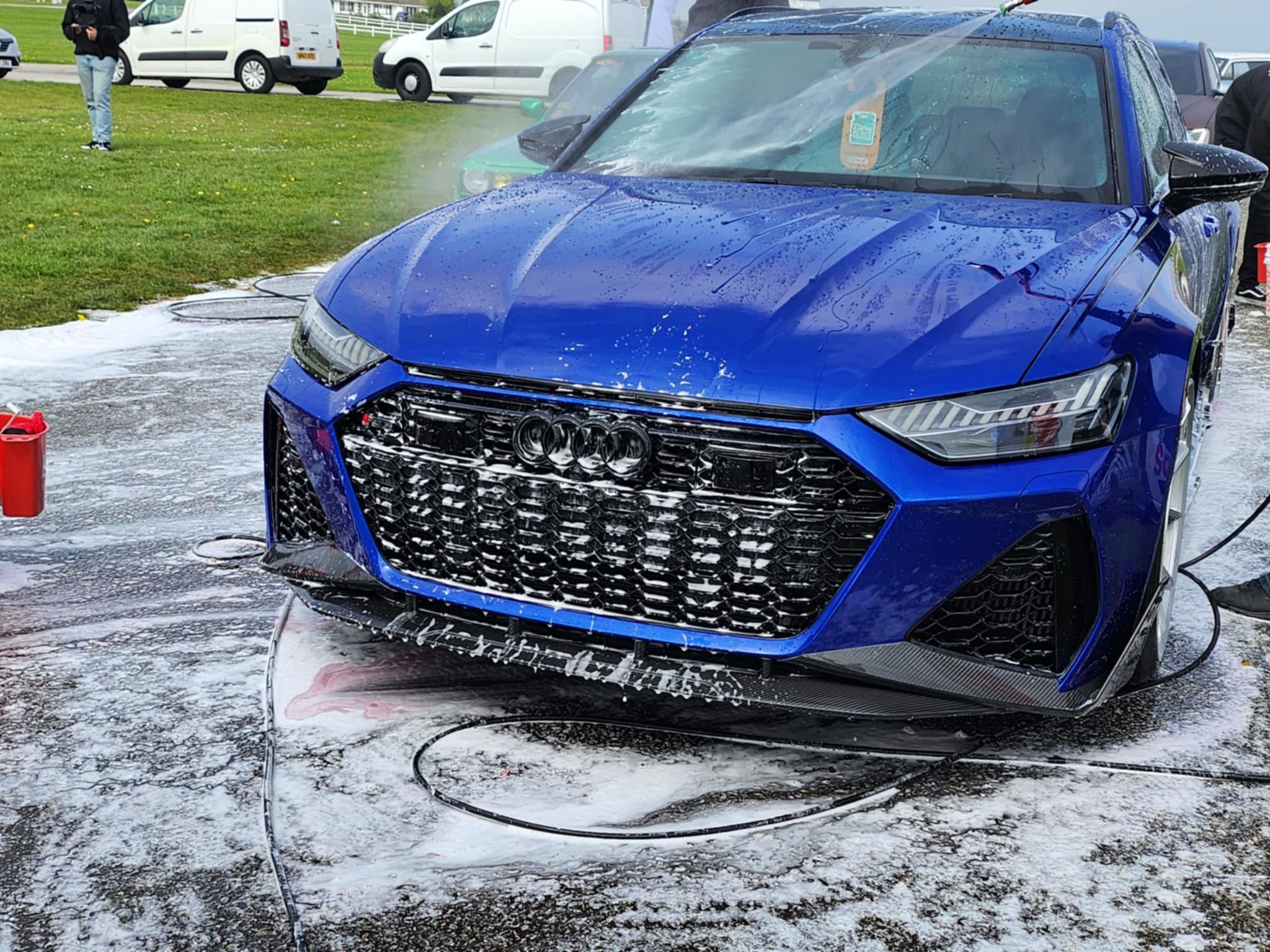
How to Deep Clean Your Car After Winter Salt and Road Grime in Devon
Now that we've emerged from another Devon winter, your car has likely endured months of salt-laden roads, muddy country lanes, and the persistent grime that comes with our wet climate. Here in Exeter and across Devon, whilst we're fortunate to avoid the harshest winters, our coastal proximity means salt spray combines with road treatments to create a particularly stubborn coating on our vehicles.
April is the perfect time to give your car the deep clean it desperately needs. Winter salt and road grime aren't just unsightly – they're actively damaging your vehicle's paintwork, undercarriage, and protective coatings. In this comprehensive guide, I'll walk you through the professional techniques we use to restore vehicles to their pre-winter glory.
Why Winter Salt Is So Damaging to Devon Cars
Devon's roads present a unique challenge for car owners. When temperatures drop, Devon County Council treats major routes and residential areas with salt and grit. Combined with sea salt carried inland from our stunning coastline, this creates a corrosive mixture that clings to your vehicle's surfaces.
Salt accelerates rust formation, particularly on vulnerable areas like wheel arches, door sills, and the undercarriage. Left unchecked through spring and summer, this winter residue can cause:
- Paint deterioration and bubbling
- Corrosion of metal components
- Damage to alloy wheels
- Degradation of rubber seals and trim
- Blocked drainage channels
The good news? A thorough deep clean now can prevent costly repairs later.
Essential Equipment for Deep Cleaning
Before starting your deep clean, gather the right tools. Professional results require more than a bucket and sponge:
- Two buckets (one for washing, one for rinsing)
- Grit guards for both buckets
- pH-neutral car shampoo (never washing-up liquid)
- Microfibre wash mitts and drying towels
- Wheel cleaner (specifically formulated for your wheel type)
- Soft-bristled brushes for intricate areas
- Clay bar or mitt for removing bonded contaminants
- Pressure washer (if available) or good-quality hose
- All-purpose cleaner for door jambs and engine bay edges
Whilst these products are available at automotive retailers throughout Exeter, investing in quality products makes a significant difference to your results.
Step-by-Step Deep Cleaning Process
1. Pre-Wash and Rinse
Start by thoroughly rinsing your entire vehicle with clean water, paying special attention to the undercarriage, wheel wells, and lower door panels where salt accumulates most heavily. If you have access to a pressure washer, use it on a medium setting – Devon's country lanes often leave caked-on mud that needs extra persuasion.
Don't forget to rinse underneath. Drive to a local hand car wash with undercarriage facilities, or if you're near the Marsh Barton area of Exeter, several locations offer undercarriage rinse facilities.
2. Wheels First
Wheels collect the worst of winter grime. Apply your wheel cleaner, allowing it to dwell for the recommended time (usually 2-5 minutes), then agitate with a dedicated wheel brush. Pay particular attention to:
- Behind the spokes
- Around lug nuts
- The inner barrel (if accessible)
- Brake callipers
Rinse thoroughly before the product dries. Devon's hard water can leave spots, so don't delay this step.
3. Two-Bucket Wash Method
Fill one bucket with your pH-neutral shampoo solution and one with clean rinse water, both fitted with grit guards. Working from top to bottom:
- Dip your wash mitt in the shampoo solution
- Wash one panel using straight, overlapping lines
- Rinse the mitt in the clean water bucket
- Reload with shampoo and move to the next panel
This method prevents swirl marks and ensures you're not redistributing grime. The lower panels of your car will be heaviest with salt residue, so leave these until last and consider a fresh mitt for these areas.
4. Don't Neglect Hidden Areas
Winter grime hides in places most people forget:
- Door jambs and shuts: Open all doors and the boot, wiping down the edges with a damp microfibre and all-purpose cleaner
- Petrol cap area: Often overlooked but collects significant grime
- Boot seal channels: Salt builds up here and can cause drainage issues
- Under the bonnet edges: Wipe visible areas (avoiding engine components)
5. Clay Bar Treatment
Even after washing, your paintwork likely has bonded contaminants – tiny particles of metal, tar, and industrial fallout that washing alone won't remove. This is where a clay bar becomes invaluable.
Lubricate a small section with clay lubricant or quick detailer, then gently glide the clay bar across the surface. You'll feel it grab initially, becoming smoother as it removes contaminants. This step is crucial before any professional detailing work like waxing or ceramic coating.
6. Thorough Rinse and Dry
Rinse the entire vehicle again, starting from the top. Use a pressure washer to blast any remaining soap from mirrors, grilles, and trim pieces.
Drying is critical – Devon's soft water still leaves spots if left to air dry. Use clean, plush microfibre towels, or an air blower for those difficult-to-reach areas like wing mirrors and door handles.
Interior Deep Clean
Winter's effects aren't limited to your car's exterior. Salt gets tracked inside on shoes, moisture causes mould, and heating systems recirculate stale air.
Carpets and Mats
Remove all floor mats and vacuum thoroughly. For fabric carpets with salt stains:
- Mix warm water with a small amount of white vinegar
- Apply to stained areas with a microfibre cloth
- Blot (don't rub) to lift the salt residue
- Allow to dry completely with windows open
For stubborn stains or pervasive odours, our valeting services include hot water extraction that removes deep-seated contamination.
Air Vents and Cabin Filter
Winter heating means your air vents have been working overtime. Use a soft brush to dislodge dust, then vacuum. Consider having your cabin air filter inspected – if it hasn't been changed recently, it's likely harbouring unpleasant winter residue.
Protection After Cleaning
A deep clean is only the first step. Protecting your freshly cleaned car ensures it stays pristine through spring and into Devon's unpredictable summer weather.
Wax or Sealant Application
Apply a quality wax or synthetic sealant to all painted surfaces. This creates a protective barrier against UV rays, pollen (which Devon has in abundance come May), and rain. Apply in thin, even coats and buff to a high shine.
Trim and Tyre Protection
Plastic trim fades after winter exposure. Use a dedicated trim restorer to bring back the deep black finish. Similarly, tyre dressing not only looks smart but provides UV protection that prevents cracking.
Undercarriage Protection
Consider having an undercarriage protection treatment applied. This is particularly worthwhile for Devon drivers who regularly navigate coastal roads or rural routes where salt and moisture exposure is highest.
When to Call the Professionals
A thorough DIY deep clean can take 4-6 hours, and requires specific equipment and conditions. If you're short on time, lack appropriate facilities, or want guaranteed professional results, mobile valeting near you brings expert cleaning directly to your Exeter home or workplace.
Professional services also access industrial-grade products and equipment that achieve results beyond typical DIY capabilities, particularly for:
- Severe salt corrosion staining
- Paint correction after winter damage
- Engine bay detailing
- Undercarriage deep cleaning and protection
The Devon Difference
Living in Devon means accepting that our vehicles face unique challenges. Coastal salt spray affects cars in Exmouth differently than those in rural Mid Devon. Exeter's urban roads carry different contaminants than Dartmoor's country lanes. Understanding your car's specific exposure helps you prioritise cleaning efforts.
Regular maintenance is key. Now that you've completed this post-winter deep clean, aim to wash your car fortnightly through spring and summer to prevent new buildup.
Get Your Car Spring-Ready
April is genuinely the ideal month for this deep clean. You're tackling winter damage before warmer weather accelerates corrosion, and you're preparing your car for the active spring and summer months ahead. Whether you're planning coastal trips to Dawlish, moorland adventures, or simply commuting around Exeter, your car deserves to look and perform its best.
If this guide seems overwhelming, or you'd simply prefer expert hands caring for your vehicle, we're here to help. Get a free quote for our comprehensive post-winter deep clean service, and we'll have your car looking showroom-fresh without you lifting a finger.
Your car has worked hard through another Devon winter – now it's time to show it some appreciation.